Home » Attractions » WATER BODIES IN AKAGERA NATIONAL PARK
WATER BODIES IN AKAGERA NATIONAL PARK
There are many water bodies in the Akagera National Park in the Land of a Thousand Hills, which include a network of lakes, rivers, and streams, all of which contribute to the rich landscapes, creating one of the largest protected wetland systems in East-Central Africa.
These water bodies greatly contribute to the lush savanna of this great national park, thereby making it one of the most visited national parks when it comes to Rwanda safaris & tours.
The network of lakes, rivers, and papyrus swamps is a central driver of its overall biodiversity, providing a life-giving source for countless species, each one bearing the vital touch of these essential water sources.
The extensive wetland system also acts as a natural filtration system, helping to support overall water quality, on which various species depend.
The presence of the Akagera River and its tributaries creates a lifeline, attracting wildlife from the drier savannah areas during the dry season. The continued presence of the Big Five, hippos, crocodiles, etc., is making Akagera National Park a must-visit destination when on a Rwanda safari.
In 2010, several African parks teamed up with the Rwanda Development Board (RDB) to create the Akagera Management Company.
This partnership included board members from both the RDB and African Parks, like Nyungwe National Park and Volcanoes National Park. This establishment has further enhanced the inspiring wildlife conservation story of Akagera National Park and other national parks.
The many water bodies, including lakes and rivers in Akagera National Park, not only contribute to the lush vegetation but also to the animals and birds that call Akagera their home.
These water bodies are great tourist attractions that you must visit on a Rwanda safari. They offer many tourist attractions and activities to adventurers, wildlife enthusiasts, and birders.
Akagera National Park Lakes
There are several Akagera National Park lakes, making the park an outstanding national park, and these greatly contribute to the lush greenery all year round. There are both large and small lakes; however, all have a great contribution to Rwanda’s tourism sector.
The Akagera National Park has a network of lakes, including Lake Ihema, Lake Mihindi, Lake Murambi, Lake Kivumba, Lake Rwanyakazinga, Lake Hago, Lake Gishanju, Lake Murambya, Lake Shakani, and Lake Birengero.
These serve as water reservoirs during the dry season, when a large number of animals from surrounding drier plains gather for a drink.
Lake Ihema in Akagera National Park, Rwanda
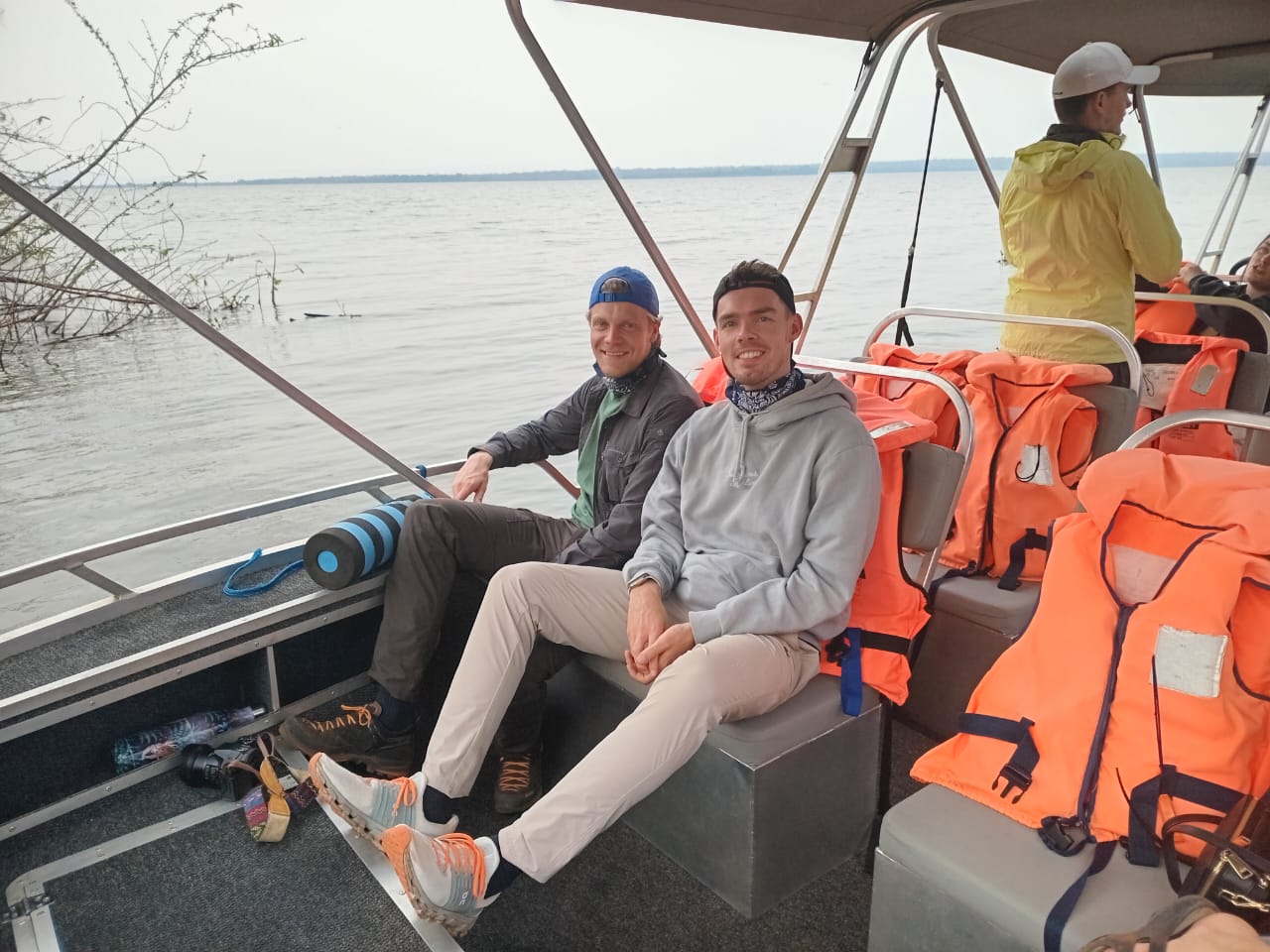
Lake Ihema is the most prominent amongst the Akagera National Park lakes. It lies within the marshy land of the Akagera River in the eastern province of Rwanda, and it is surrounded by other smaller lakes.
It is worth mentioning that Lake Ihema is the biggest lake in Akagera and the second largest in the whole of Rwanda, covering an area of 90 square kilometers in the southern part of Akagera National Park.
Though Lake Ihema dominates the southern part of the park, the northeastern region is distinguished by the smaller lakes.
Ihema Lake has an average depth of 5 m (16 ft) with an altitude of 1292 meters above sea level.
Interesting Things to See at Lake Ihema in Akagera National Park
Ihema Lake offers unparalleled opportunities to see different attractions, and these include
- Diverse wildlife, including hippos and Nile crocodiles
. Numerous fish species, including tilapia, catfish, lungfish, tigerfish, and various cichlids
- Large number of bird species, including the Papyrus Gonolek (Laniarius mufumbiri). Among the endemic species are the ibis (Threskiornithinae), jacanas, herons, plovers (Charadriidae), the rare shoebill, sandpipers, and shoebills.
- Impenetrable papyrus swamps that surround the lake. These hold many secrets, leaving more questions than answers about a range of papyrus dwellers since they inhabit many of them.
Activities at Lake Ihema in Akagera National Park
Activities that travelers enjoy at Lake Ihema, which is the biggest in Akagera National Park.
- Bird watching to observe birds like hawks, malachite kingfishers, sandpipers, and others, making it one of the birding sites in Akagera National Park. The visibility of birds like shoebills is rare, depending on the water level and time of the year.
- Enjoying beautiful views of sunrise and sunset
- Boat cruise, which offers one opportunity to explore one of the lake systems in East Central Africa with its abundance of birdlife, hippos, and Nile crocodiles, and views of the rolling hills of Rwanda.
Boat cruises are allowed at specific times, with departures available in the morning and afternoon. Non-scheduled private safaris can also be arranged.
. Photography, where photographers capture the breathtaking beauty of the lake and its surroundings
Lake Rwanyakazinga
Lake Rwanyakazinga is also among the scenic Akagera National Park lakes, in the northeastern part of the park in the eastern province of Rwanda. This scenic lake runs through the middle of the park.
This prominent lake is the second largest lake in Akagera National Park after Ihema Lake. Lake Rwanyakazinga covers an area of about 1200 square kilometers, and it is one of the lakes with shallow water, with an estimated depth of about 1 to 2 meters.
Its tranquil water supports flora and fauna. Lake Rwanyakazinga also acts as one of the great spots to observe wildlife.
Things to See at Lake Rwanyakazinga
Among the interesting things to see at Lake Rwanyakazinga in Akagera National Park are
. Aquatic life, including many hippos, Nile crocodiles, and a variety of fish types
- Smaller mammals and larger mammals like lions, leopards, and large herds of buffalo, among others.
- Large number of spectacular birds
Interesting Activities to Do at Lake Rwanyakazinga
. Wildlife viewing for animals like roan antelopes, lions, elephants, black rhinos, and giraffes, which you can see when they come to take water. Large herds of buffalo can also be seen along the shores of Lake Rwanyakazinga.
- “Bird watching at Lake Rwanyakazinga, which offers a chance of observing a variety of birds that call it home, and some of the species to mention include African fish eagles, open-billed storks, and black-headed herons.
- Excellent boat cruises on Lake Rwanyakazinga, the second biggest lake, to different surrounding places to see some attractions in Akagera National Park that cannot be explored by hiking or on a safari drive.
Lake Hago
Lake Hago is another stunning lake that is found in the northeastern regions of Rwanda’s Akagera National Park in the eastern province of Rwanda.
Though the lake’s depth is not specified, it is estimated to have an altitude of 1285 meters above sea level.
Lake Hago is surrounded by other smaller lakes, which also support the flora and fauna of Akagera National Park.
The Nyampiki peninsula, from where one can see the scenic beauty of this lake, runs between this lake and Lake Kivumba.
Tourist Attraction at Lake Hago in Akagera National Park Rwanda
The Nyampiki Peninsula, whose banks act as the breeding ground for many aquatic life, birdlife, and fish species, among others
Activities to Do at Lake Hago
Among the activities to do at Lake Hago are boat tours, outings, relaxing at the lake shores, and bird watching, among others.
Taking a boat cruise will enable you to explore the different parts of the park that cannot be reached on foot and enjoy views of the rolling hills of Rwanda.
Lake Shakani
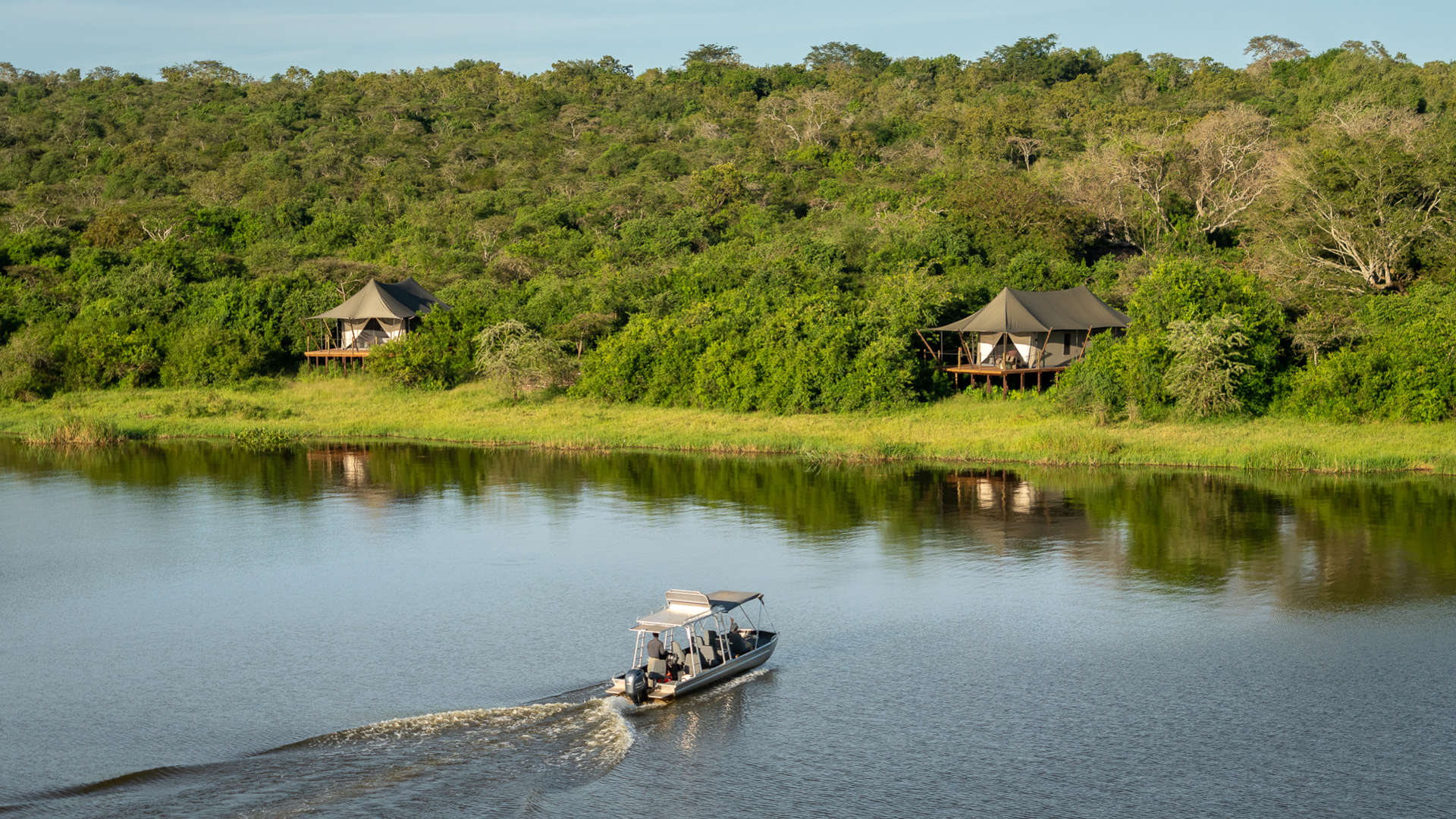
The article wouldn’t be complete without a mention of Lake Shakani, the only lake in the park where visitors can engage in sport fishing.
This spectacular lake is located in the southern part of Akagera National Park, a few kilometers from the park headquarters. Lake Shakani covers an area of about 1,089 square kilometers with an estimated depth of about 2 to 3 meters.
Lake Shakani has low water levels, which contribute to the thriving fish population, thereby creating opportunities for sport fishing, a common tourist activity that requires permission from local authorities.
Attractions to See at Lake Shakani
Among the amazing attractions at Lake Shakani are numerous fish species, including catfish and tilapia, and some of the 482 bird species recorded in Akagera National Park, among others.
The lake is also home to crocodiles, and travelers can take a boat trip to see them. It is the only one of the lakes where short fishing is done. The success of anglers varies depending on the time of day and water temperatures.
Activities at Lake Shakani
Among the activities to do at Lake Shakani are
- Sport fishing, given the good fish populations, which include kinds like catfish and tilapia, among others. Travelers allowed to carry out sport fishing are supposed to carry fishing gear and follow the guidelines.
The activity is done on a scheduled basis to ensure all visitors have opportunities to participate in fishing, and regular patrols are done to discourage illegal fishing.
- Roasting of one’s catch on fire
- Game viewing, especially for animals that come to drink from Lake Shakani
. Guided nature walks for nature enthusiasts to immerse themselves in the park’s scenic beauty, experiencing the environment on foot.
. Visiting local communities for cultural encounters. Visitors who have booked for community walks are allowed to visit the local community for deeper interactions with the locals.
Lake Gishanju
Nestled in northeastern Rwanda in Akagera National Park, Lake Gishanju is one of the epic water bodies that are a must-visit destination when it comes to Rwanda safaris. The lake also lies north of the Mutumba hills, where there is dense vegetation, which harbors wildlife populations.
The Mutumba Hills provide a magnificent vista of watery landscapes, highlighting a system of swamps, rivers, and other lakes.
The dense vegetation that is due to the abundant water supply from Lake Gishanju remains a challenge to those interested in spotting wildlife. Among the animals that call Akagera National Park their home and are spotted near the lake are impalas, buffalo, leopards, zebras, and many others.
Other Tourist Attractions at Lake Gishunju in Akagera National Park
. Numerous animal species
- Several birds
- Papyrus beds, making the lake one of the most inaccessible lakes in the area.
- Reptiles like snakes
Activities to Do While at Lake Gishanju
Exploring Mutumba Hills, which in turn offers an opportunity for game viewing for mammals like hyenas, elephants, antelopes, olive baboons, vervet monkeys, and giraffes, among others
- Boat cruise to traverse the different attractions along Lake Gishanju and in other parts of Akagera National Park.
- Guided nature walks along the lake and many other activities.
- Guided game drives, which can be done in the morning, afternoon, and evening hours, where visitors enjoy breathtaking views of the Akagera landscapes, lush vegetation, the shimmering water levels, and a variety of wildlife
. Visiting local communities around the lake
Lake Mihindi
Lake Mihindi, also known as Lac Mihindi, is among the commonly visited Akagera National Park lakes, located in the Eastern Province of Rwanda.
The lake covers an area of 10.9 square kilometers with an estimated depth of about 2 to 3 meters. It is surrounded by lush vegetation, creating a scenic picnic area for visitors.
It is situated in the southern part of Akagera National Park, which is about a 2–3-hour drive from Kigali, the capital city of Rwanda.
Lake Mihindi lies at an altitude of 1,282 meters above sea level and is also at the extreme of the northeastern part of the country at the border of Rwanda and Tanzania.
What to See at Lake Mihindi?
Some of the amazing attractions at Lake Mihindi include
- Hippo Beach, which is the best place to see a large number of hippos and crocodiles. It is only at Hippo Beach where swimming is allowed.
- Papyrus dwellers like amphibians, among others
- Other wildlife at Lake Mihindi includes zebras, buffalo, giraffes, and others. Some of these can also be spotted resting in the acacia woodlands.
- Bird species, among other attractions
. Photography to capture the scenic beauty and amazing moments, so travelers should carry cameras.
Activities to Do at Lake Mihindi
Among the interesting activities to do at Lake Mihindi are boat safaris, cultural tours in the nearby communities, and wildlife sightings to see animals like elephants, among other activities.
Embark on Akagera National Park safari and get an opportunity to traverse Lake Mihindi and enjoy the breathtaking safari experience it offers.
Lake Birengero
Lake Birengero is situated in the northern part of Akagera National Park, which is just about 8 km from Ihema Lake.
The lake also lies in the marshy land of the park in the eastern part of Rwanda, which is just a 2- to 3-hour trip from Kigali, the capital city of Rwanda. It is relatively small in size compared to Lake Ihema, and it has low water levels.
Standing at an altitude of about 1442 meters above sea level. It is characterized by muddy and shallow water surrounded by a papyrus swamp. This unique habitat, which exists in a delicate balance with the water, works together to support the fragile wetland environment, creating a rich and thriving ecosystem.
It is worth mentioning that Lake Birengero is the best place for bird enthusiasts on a birding safari in Rwanda. It is renowned for having a large number of bird species. Birding is best done during drier months (March to May and October to November).
Amazing Attractions at Lake Birengero
Given the fact that it is the birders’ paradise among all other lakes, the main attractions are the many bird species.
The popular bird types at Lake Birengero include cinnamon-breasted bunting, black-crowned night heron, pelicans, little sparrow hawks, fish eagles, malachite kingfishers, pygmy kingfishers, white helmet shrikes, shoebill storks, hamerkop, long-crested eagles, and spur-winged geese.
Other species worth mentioning for bird enthusiasts include the sooty chat, pied crow, cattle egret, and red-faced barbets, along with the little bee-eaters, spur-winged plovers, black-breasted snake eagles, purple-banded sunbird, goliath heron, Tabora cisticola, crowned hornbill, hadada ibis, and white-browed coucal.
Apart from birds, other papyrus dwellers include amphibians, reptiles, fish species, and mammal species like the sitatunga, among others.
Tourist Activities at Lake Birengero
The main activity at Lake Birengero is bird watching, and other activities may include hiking along the lake shores and wildlife viewing, since some mammals can be spotted near the lake.
Lake Murambi
Lake Murambi is one of the smaller lakes that are commonly visited in Akagera National Park.
The lake’s location in Murambi is making it one of the commonly visited lakes because of the place’s great history of the Rwandan genocide that happened between the Hutu and the Tutsi. For this reason, a memorial site was created on 21st April 1995.
Attractions at Lake Murambi
The lake hosts animals like hippos and crocodiles, among other animals.
There are also a large number of birds, e.g., the ibis, jacanas, and herons, and the Papyrus Gonolek, which inhabits most of the swamps in the area.
Things To Do at Lake Murambi
- Relaxing along the lake shores
- Visiting the Murambi genocide memorial
- Enjoying picnics together with family and friends around the shores of the lake
. Visiting local communities
Rivers in Akagera
The main river that supplies water to many other water sources in Akagera National Park is the River Akagera.
Akagera River in Akagera National Park
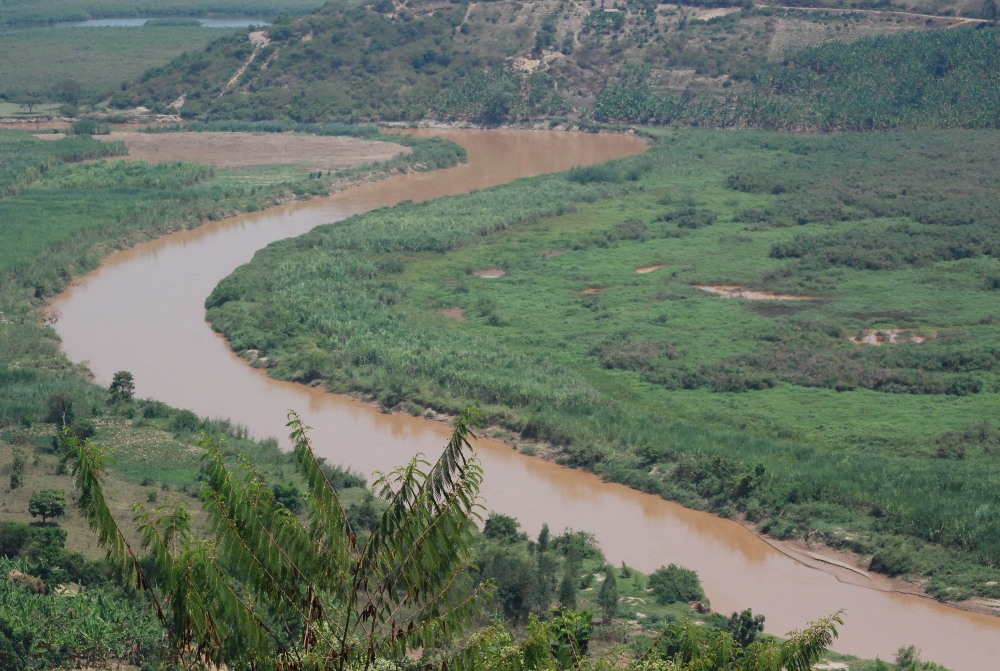
It is worth mentioning that the River Akagera is another prominent water point within the Akagera National Park that supports the park’s biodiversity. It is one of the water bodies in Akagera, which is worth visiting on a wildlife and adventure safari in Rwanda.
It is a great river to be explored on an East Africa safari, flows through Akagera National Park, and originates from Burundi, where it flows out of Lake Rweru.
As it flows to Uganda to empty into Lake Victoria, this river serves as the eastern boundary of Rwanda and Tanzania, creating a natural divide. Its two main tributaries are the Ruvubu River of Burundi and the Nyabarongo River of Rwanda.
It features a rich history of the German colonialist Gustav Adolf Von Gotzen, who crossed from Tanzania to Rwanda at Rusumo Falls on the Akagera River in 1894.
Another historical event concerning this river is the Rwanda genocide in 1994, where some of the people who were killed were thrown into the River Kagera, and the bodies were carried by water up to Uganda’s Lake Victoria.
The wet season brings a new edition of the Akagera landscape, where the rising water levels transform the ponds into a vast, interconnected wetland system.
The Best Time to Visit Water Bodies in Akagera National Park Rwanda
Water bodies in Akagera National Park can be visited throughout the year, that is, both in the dry and wet seasons.
The Dry Season
However, there are two dry seasons (drier months): the long dry season (June, July, August, and September) and the short dry season (December, January, and February).
The dry season is always the best time to visit Akagera and traverse the beautiful Akagera National Park lakes and rivers.
The dry season is considered the best time because it offers favorable weather conditions, perfect for spotting most of the animals around the lakes whose water levels are not so low. You may also spot waterbucks as they graze in the vast savannah and around the water points in Akagera National Park.
The Wet Season
Some travelers, especially birders, may prefer visiting the water bodies in Akagera, and the best time for such visits is during the wet season (March to May and October to November). For birding, visits are mostly made to lakes, like Lake Birengero, which is renowned for having a variety of bird species.
It is advisable to arrange a guided tour in advance, especially during the peak seasons, to ensure a spot on the popular lake excursions.
How to Get to Akagera to See the Different Water Sources
Travelers can access Akagera National Park to traverse the different water sources by air and road.
By Air
Upon reaching Kigali International Airport, which is Rwanda’s major entry point. This international airport serves many other airlines like Air Burundi, Kenya Airways, and Ethiopian Airlines, SN Brussels, among others.
There are no domestic flights to Akagera National Park, but Akagera Aviation often offers a chartered helicopter. From the international airport, on a helicopter flight, it takes around 25 minutes to reach the Akagera National Park.
By Road
One can still access Akagera National Park on a 4×4 safari vehicle using the routes to northern Rwanda. On a safari vehicle, travelers can traverse different lakes and other parts of Akagera National Park. The park is located in the eastern part of Rwanda, and a trip from Kigali is 120 km, which is a 2- to 3-hour trip.
Where to Stay Near Akagera National Park
Among the best accommodation options close to Akagera National Park are Ruzizi Tented Camp, Karenge Bush Camp, Akagera Game Lodge, Magashi Camp, and Akagera Rhino Lodge, among others.
Water Bodies in Akagera FAQs (Frequently Asked Questions)
Where Is Akagera National Park Located?
Akagera National Park, one of the most protected areas, is located in the eastern part of Rwanda, covering an area of 1122 km² along the Rwanda–Tanzania border.
How many lakes are in Akagera?
There are 10 Akagera National Park lakes that can be visited throughout the year by those who embark on Akagera National Park safari.
Akagera National Park is characterized by 10 lakes, including Lake Ihema, Lake Mihindi, Lake Murambi, Lake Kivumba, Lake Rwanyakazinga, Lake Hago, Lake Gishanju, Lake Murambya, Lake Shakani, and Lake Birengero.
When Is the Prime Time to Visit Akagera National Park?
The prime time to visit Akagera National Park is during the hot season (drier months), which is from June to August and December to mid-February.
Does Akagera Offer Boat Tours?
Akagera National Park offers boat trips on Lake Ihema, which covers approximately 90 square kilometers in size and is the largest of the 10 lakes in Akagera. These trips are one of the best ways of exploring and observing different attractions, including animals like hippos and crocodiles, among others, in the park.
Conclusion
Contact us for further guidance to help you arrange your safari in Akagera National Park, one of the most visited African parks in the Land of a Thousand Hills. You will get an opportunity to traverse the many water points, including lakes like Lake Mihindi, Lake Murambya, Lake Shakani, Lake Rwanyakazinga, etc., in one location for a quieter safari experience
Want to visit Akagera?
Want to visit Akagera National Park, Rwanda's only savannah park for an awesome Rwanda safari experience?
